

 Image 1 of 1
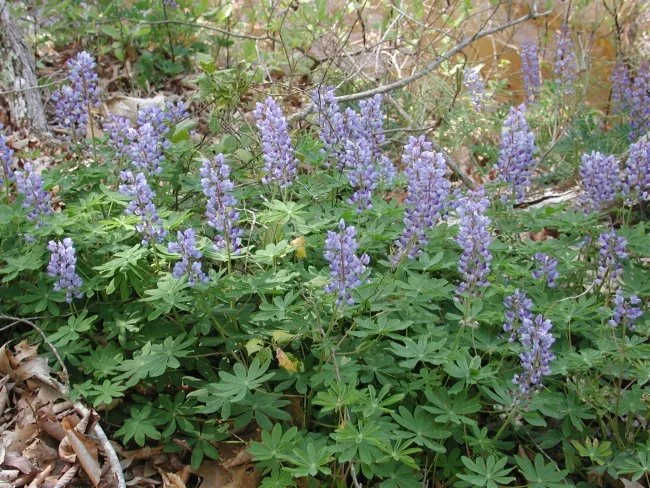
Lupines are a much beloved plant in New England, particularly in the poor, sandy soils of Maine. It is, however, a genus of around 200 species with distributions in North Africa and the Mediterranean and throughout the Americas as annuals, perennials and even evergreen shrubs. With a nod to the importance of regional plants we offer the species native to the Eastern US with distributions from Maine to Florida. It grows best in well drained soil and full sun often finding a place on roadsides and disturbed places. The name lupine means wolf, a reference to the belief that they made soil poor. It is of course a legume and in fact improves soil. The foliage of L. perennis has 7-11 palmate, lance shaped leaves. In early summer it bears 12-18 inch tall spikes of pea-like flowers, generally blue/purple and occasionally pink or white.
We offer year old, seed grown, vernalized plants in deep 4” pots.
Lupines are a much beloved plant in New England, particularly in the poor, sandy soils of Maine. It is, however, a genus of around 200 species with distributions in North Africa and the Mediterranean and throughout the Americas as annuals, perennials and even evergreen shrubs. With a nod to the importance of regional plants we offer the species native to the Eastern US with distributions from Maine to Florida. It grows best in well drained soil and full sun often finding a place on roadsides and disturbed places. The name lupine means wolf, a reference to the belief that they made soil poor. It is of course a legume and in fact improves soil. The foliage of L. perennis has 7-11 palmate, lance shaped leaves. In early summer it bears 12-18 inch tall spikes of pea-like flowers, generally blue/purple and occasionally pink or white.
We offer year old, seed grown, vernalized plants in deep 4” pots.