Made for the shade
Plants for the shade and woodland garden
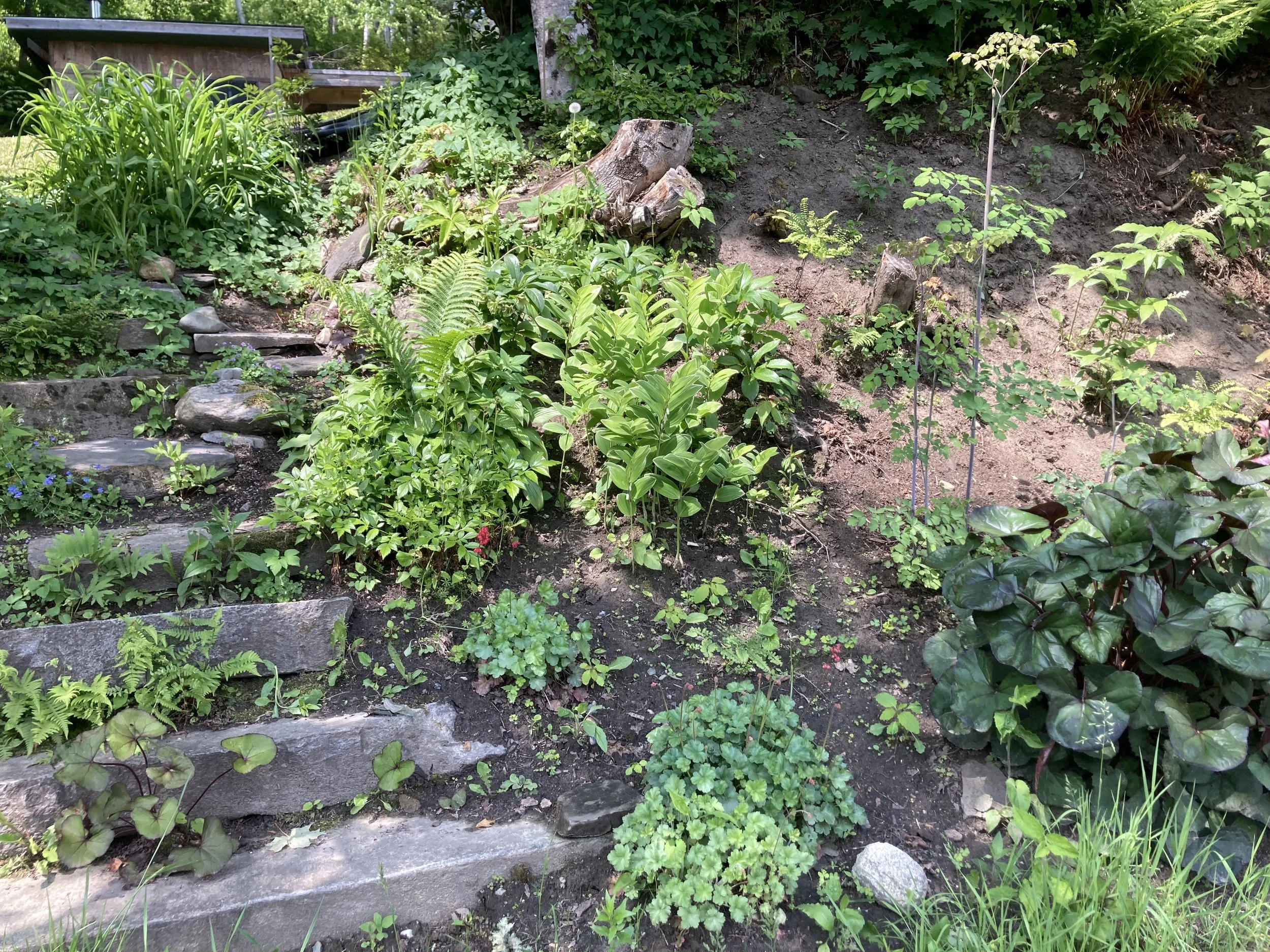
As our nursery has developed, we have found our site well suited to growing woodland and shade loving plants. The brook that runs along the property and an Eastern orientation keeps the nursery and gardens cool. This has allowed us to develop a unique collection of shade loving plants from around the world. We are excited to introduce to introduce our collection.
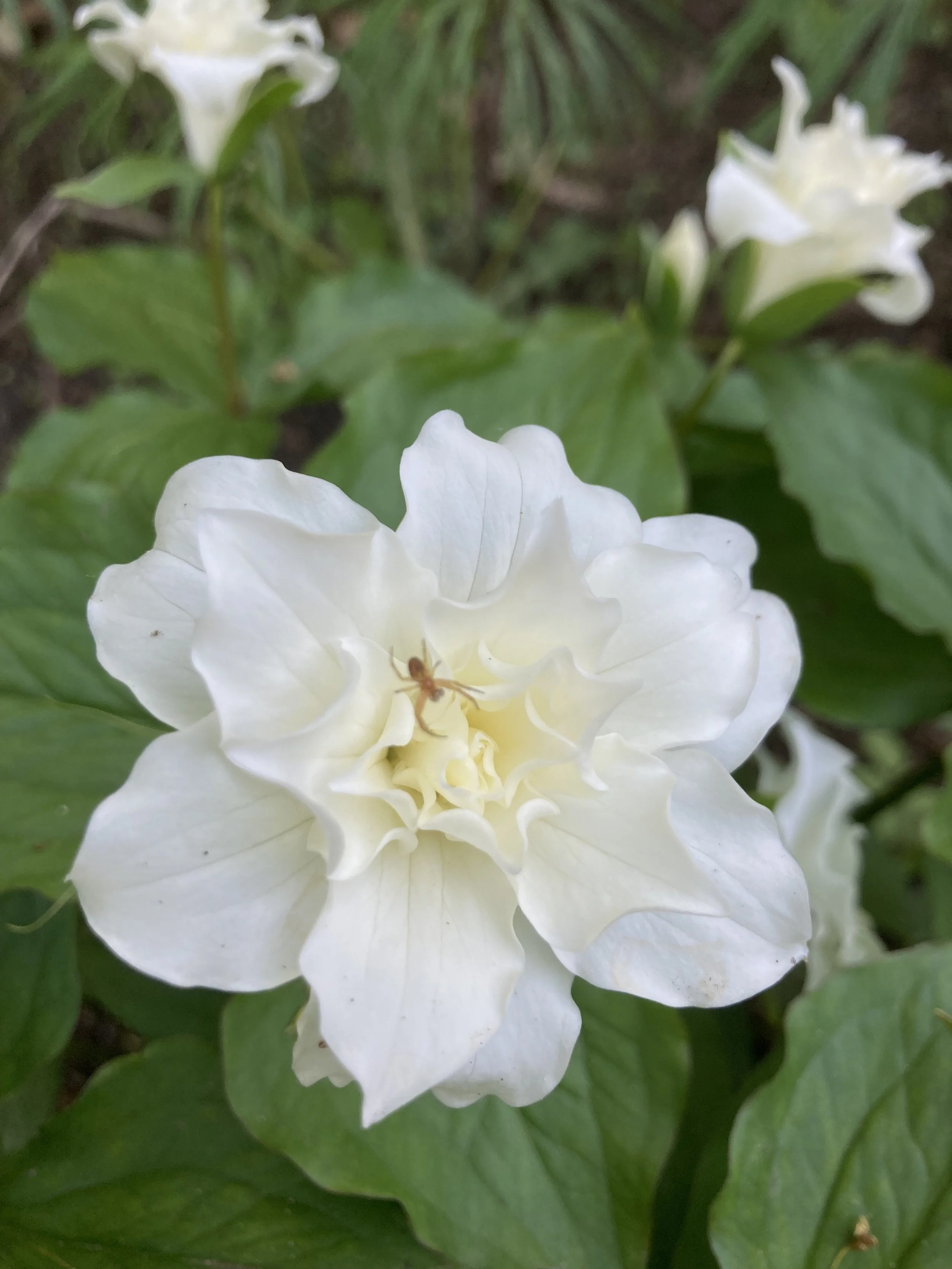
Introducing some of our favorite shade plants.

Glaucidium Palmatum - Woodland poppy
I first spotted this beautiful and uncommon woodland plant at Cady’s Falls Botanical Gardens in2019. I gathered seed and planted them that fall. I learned why it is so valuable and uncommon in the horticultural trade. It has taken five years to produce flowering plants from this slow growing and not easily dividable plant. This monotypic species from the mountainous woodlands of Northern Japan grows best in light shade and good rich soil. It flowers in the early summer with pink, and sometimes white, papery flowers on 2ft mound of beautiful, palmate foliage that persists all summer and produces nice seed pods in the fall. Glaucidiums grow very well at our cool site even with some morning sun. We are continually seed propagating and you will not find more robust specimens of this Asian woodlander easily available.
Cypripedium - Lady Slipper orchid
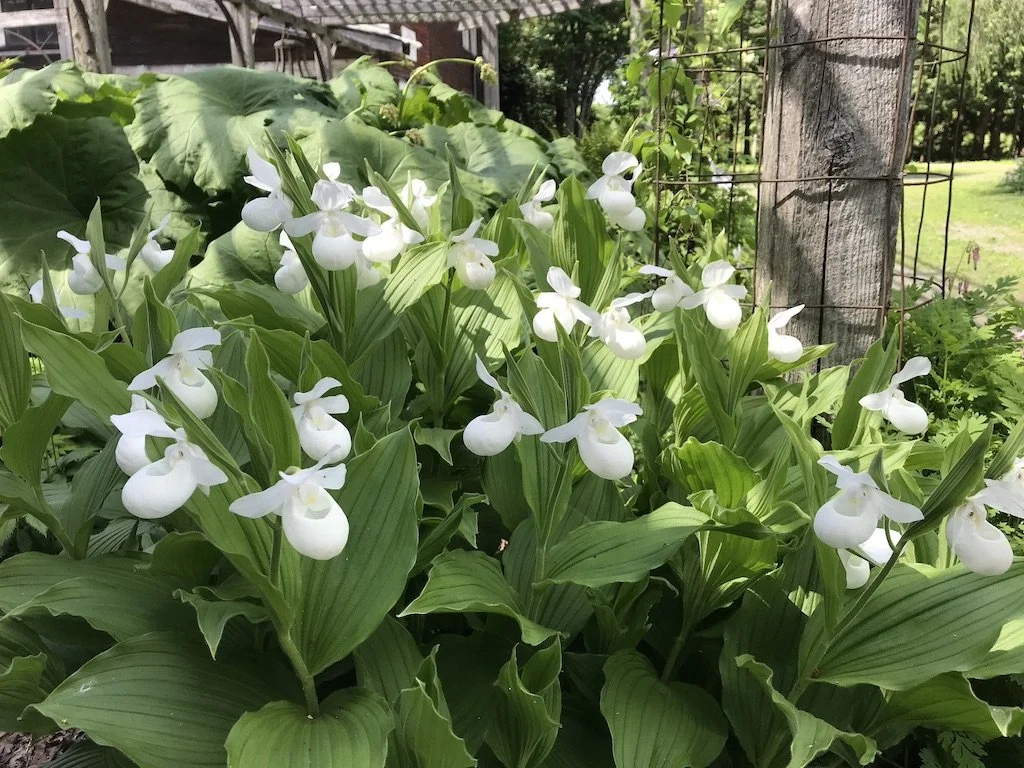
Amongst the native plants of Northeastern America, the Lady Slipper is probably one of the most famous. Several species once filled the cool, rich soils, slowly propagating on the edges of the forest where calcium rich spring water combined with just the right soil mycorrhizae would create large stands. Their beauty was too enticing for people and the native orchids were nearly extirpated from the wild. Sadly, most of these plantings probably failed because they are not easy to transplant and were often dug by untrained hands trying to make a little money.
My friend Don Avery first introduced me to orchids grown in the garden where he had many large plants, some over 20 years old. Propagators have now learned how to germinate the seeds in a laboratory and I was introduced to his supplier of native orchid seedlings. The learning curve has been steep. The seedlings are tender and they don’t always survive the transition from the laboratory.
We have now been growing orchids for four years and in 2025 we offered our first flowering size plants. Despite all their mystery, cypripediums are not that difficult to grow from a well started plant. They require a rich soil amended with plenty of organic matter and though they enjoy an overall cool site, they seem to thrive with morning sun and dappled shade. We send along careful instructions for handling and planting terrestrial orchids.
You can find more info about how we grow our orchids in the “Our Work” tab.

Species peonies
Another top notch perennial we have been collecting seeds from at Cady’s Falls. The species peonies are an earlier blooming, single flowered species from the peony family that prefer a more shady location. Peonies have been cultivated in China for thousands of years. And the process continues, creating new, colorful, floriforous and patented varieties. The varieties we have been collecting are closer to the wild form, and not being a double flower, it produces a seed head in the fall from a colorful and ornamental seed pod. I have come to really appreciate these woodland species not just for the ethereal flowers that don’t flop over like the doubles and the strong and persistent foliage, but because it’s fun and inexpensive to propagate from seed. I collected my first handful of seed from Cady’s Falls in the Fall of 2019 and have continued each year since.
We are excited to have several varieties and species to begin offering. The white form, P. japonica from seedlings; the white P. obovata subsp. willmottiae; two yellow flowering species P. daurica subsp. wittmanniana and P. mlokosewitschii commonly known as “Molly the witch” or just “mollies”, for obvious reasons. There are more, and we look forward to increasing and expanding our collection of theses unique peonies.
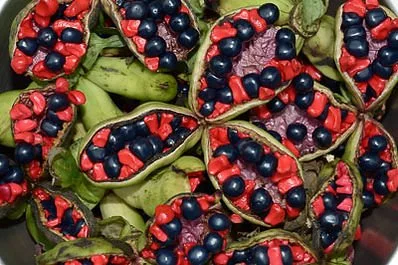
The small picture is of Fall gathered peony seed heads from Cady’s Falls Gardens. These seeds need to be planted fresh and often take two winters to germinate!
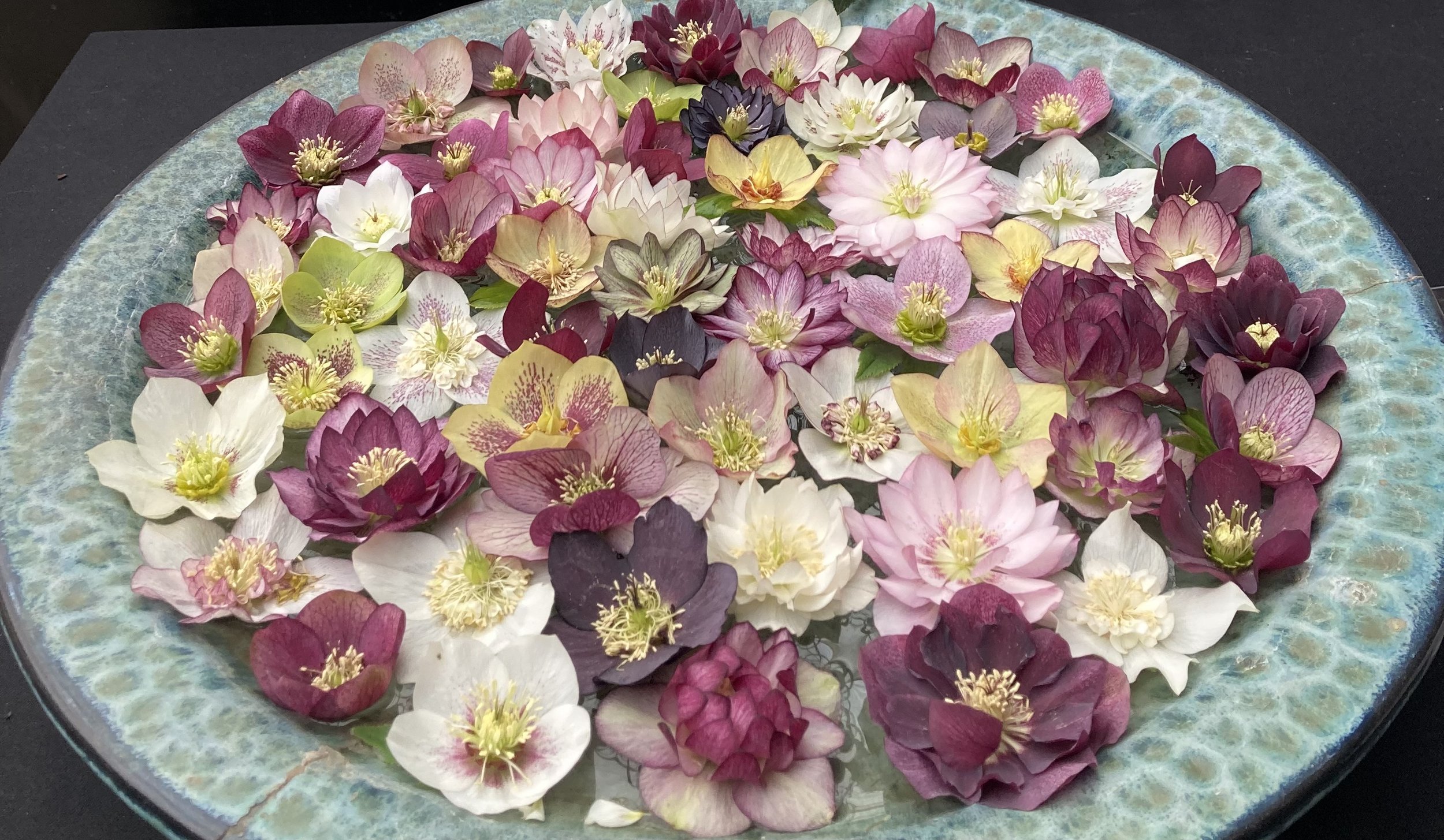
Hellebores
To me hellebores are the perfect perennial. Flowering early in the spring when few other plants have even poked their heads up. They bloom, without fragrance, in a wide variety of colors and forms. The flower stem emerges first with the leaves following. The flowers persist for a long time, changing shades as they mature. This is because hellebores lack conspicuous petals like other flowers, but are ringed by colorful sepals that don’t fade after fertilization. This is a trait shared by other members of the Rununculaceae family like anemones and clematis.
As the season progresses the plant starts to bulk up, putting up tough, glossy foliage that looks nice and continues to hold its place in the garden. In fact, they will stay green until the first snow and finally must be cut back. A plant for all seasons. With proper care these plants can become impressive long lived clumps. Hellebore breeding and growing in the US really only started in earnest over the last 50 years. What has become available to gardeners because of the careful work of small breeders is remarkable. We have started wading into the gene pool and putting together different “collections” from some of the best US breeders.
We also continue to grow out seeds from nice plants we come across, building our own pallet of forms and colors. The remarkable variety that can pop up by growing out seeds and the fairly easy process of making your own crosses has made hellebores a treasure trove for breeders and growers. Our plants are grown out at our nursery for 2-4 years under natural growing conditions to offer strong, flowering size plants. Come early in the spring when those first flowers light up the muddy landscape.